The right
way to garnish.
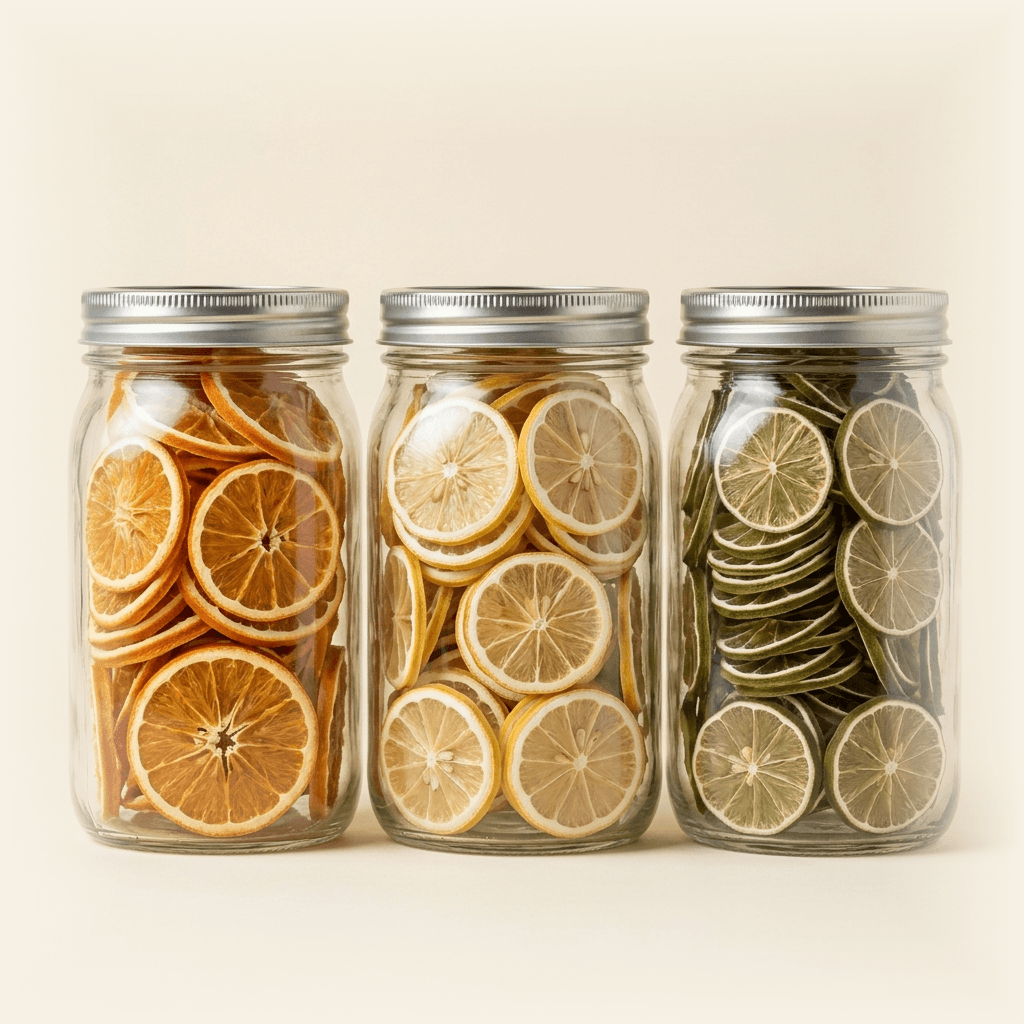
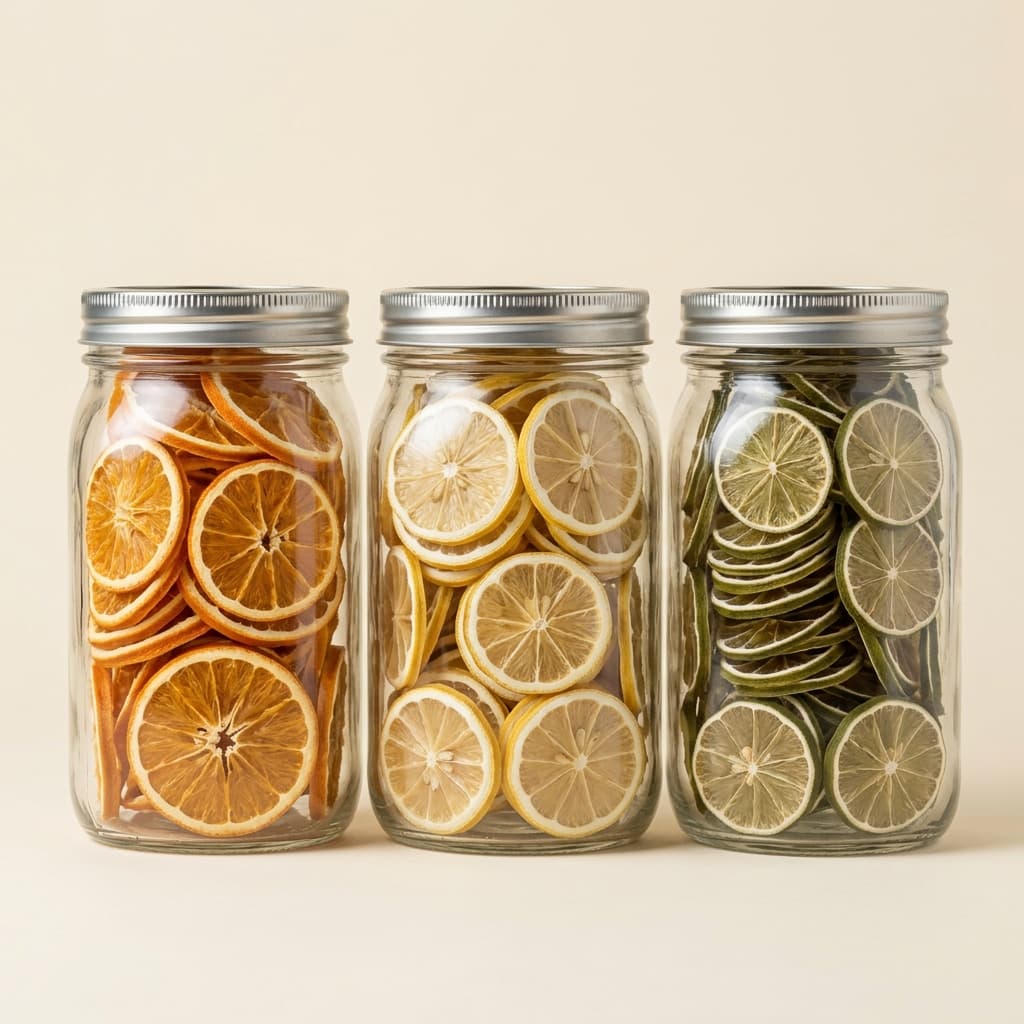
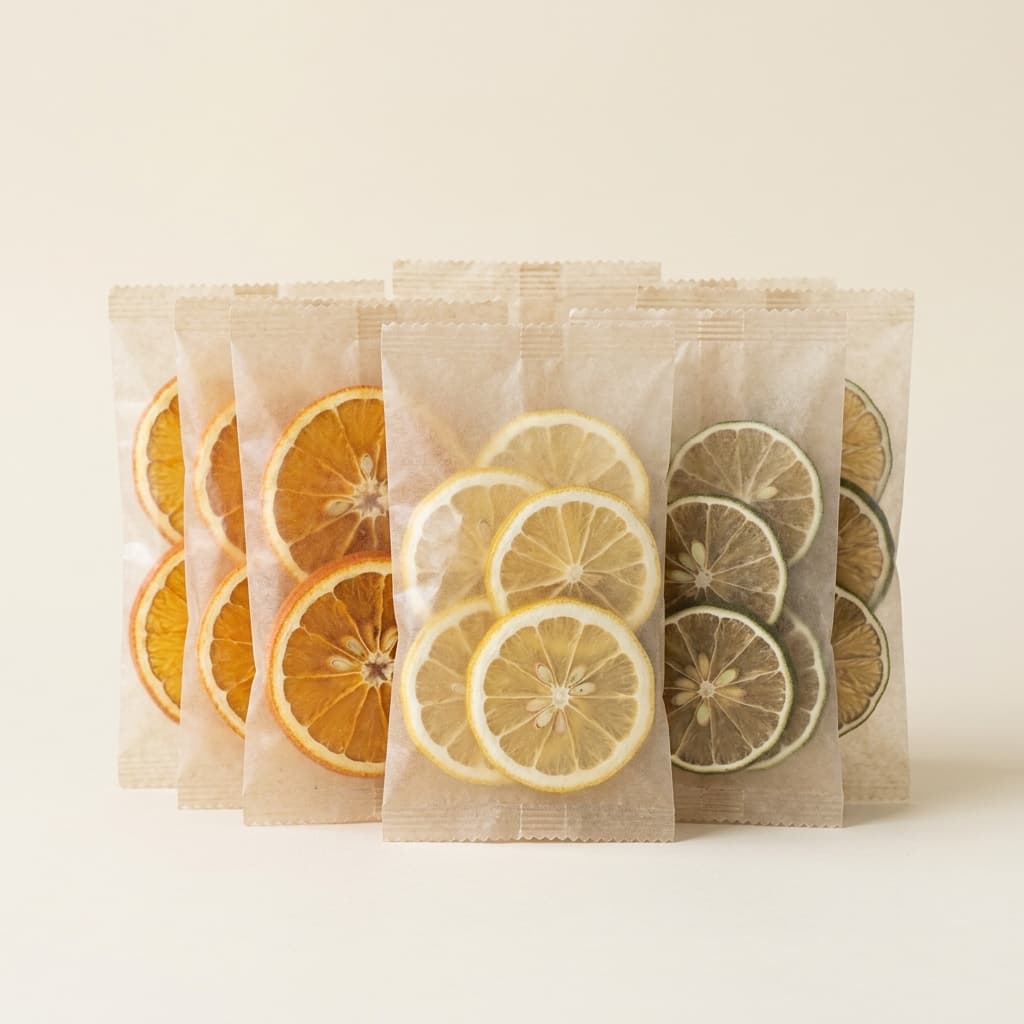
Real New Zealand citrus, sliced thin and dried slowly. About 25 perfect wheels a jar, and one jar replaces ten fresh lemons.
Free NZ shipping over $50 · ~12-month shelf life
Real citrus, dried for the long shelf.
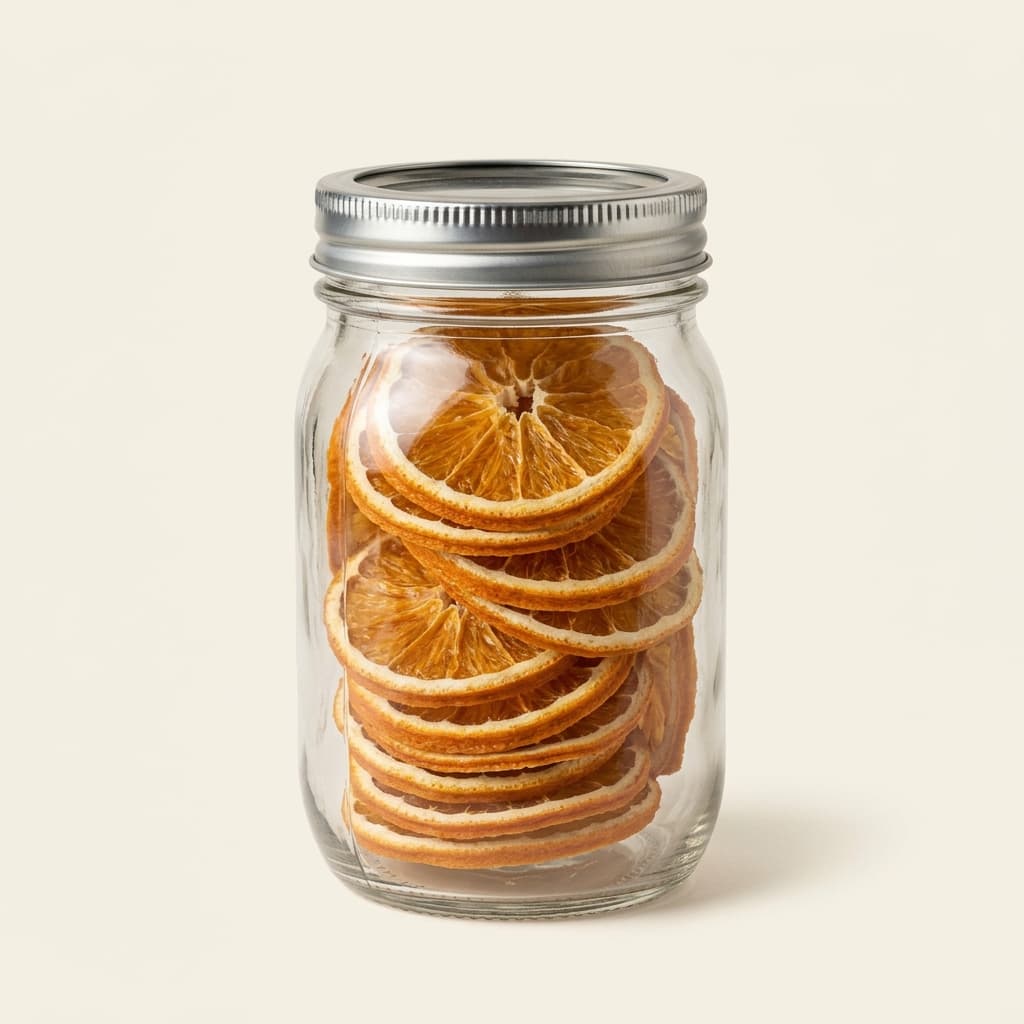
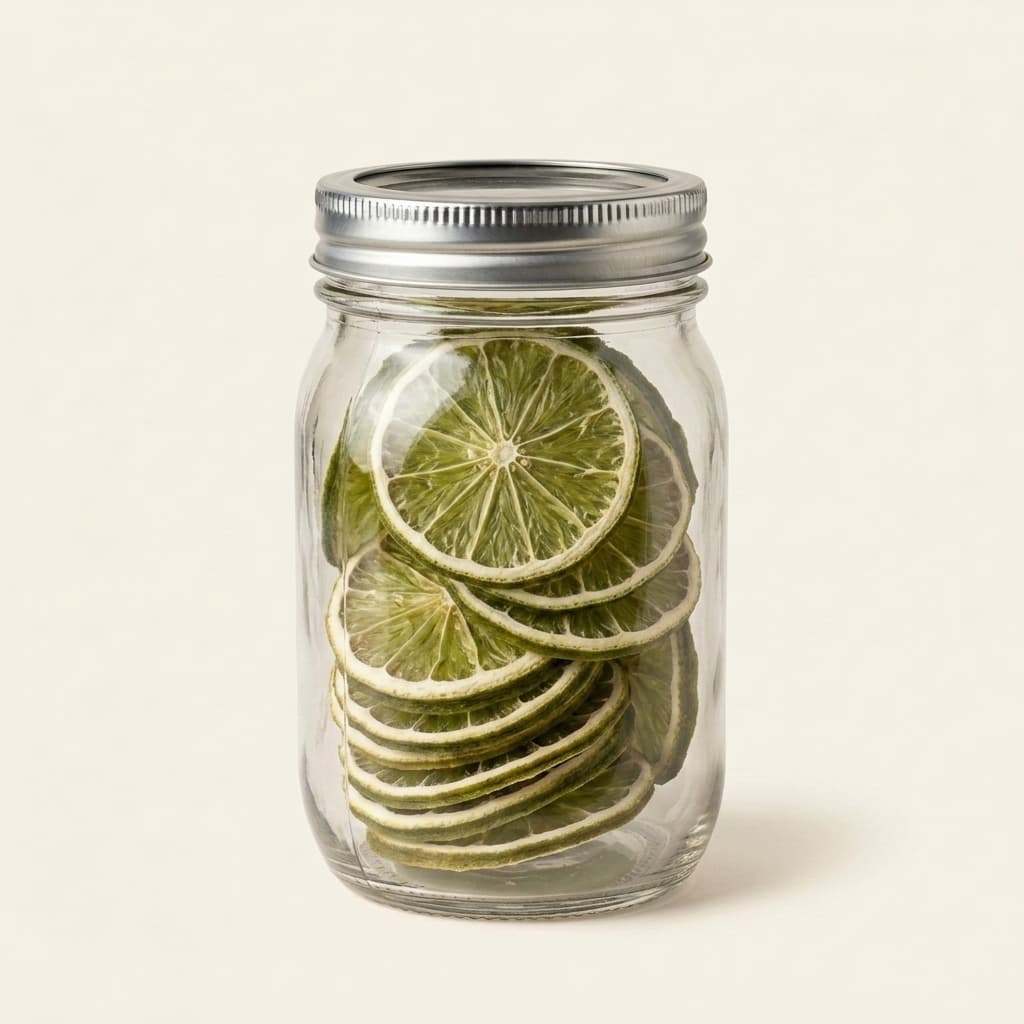
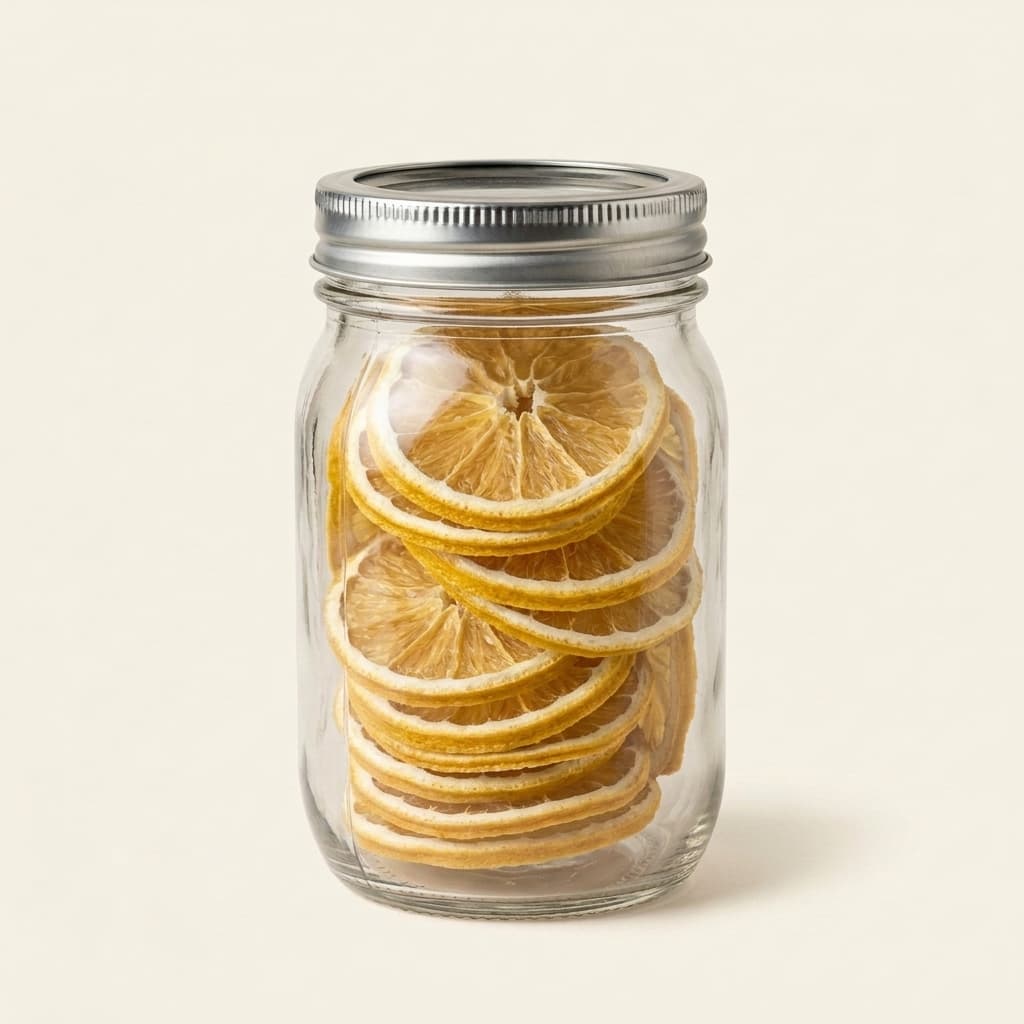
Four steps, no shortcuts.
We could automate. We don't. The point of dehydrating citrus at home was always to do it the way a chef would. So that's how we do it.
- 01
We buy small.
Citrus from named NZ growers, by the box. We taste-check every input. Flat oranges go back. Bright limes stay.
- 02
We slice thin.
Three millimetres on a calibrated mandolin. Every wheel within 0.2mm of the last. Consistent garnish, every pour.
- 03
We dry slow.
Held at fifty degrees for fourteen hours. The skin keeps its oil and colour. The wheel never browns at the rim.
- 04
We seal the jar.
Glass jars with brushed silver lids. About 25 wheels per 30g jar. Twelve months on the shelf.
Virgin Mojito with a dried lime wheel
Mint, lime, and soda built tall and alcohol-free, finished with a dried lime wheel that stays crisp.
Two more ways in.
Notes from the kitchen.
- · Jason P
Why we dried the citrus (and not the syrup)
Cocktail syrups solve a flavour problem. The garnish problem is different, and it's the one that was actually losing bars money.
Read more - · Jason P
The first batch came out of our kitchen
Two dehydrators, one bench, four KG of fresh lemons a day. Here's how the first batch came together.
Read more
Built for the back of the bar.
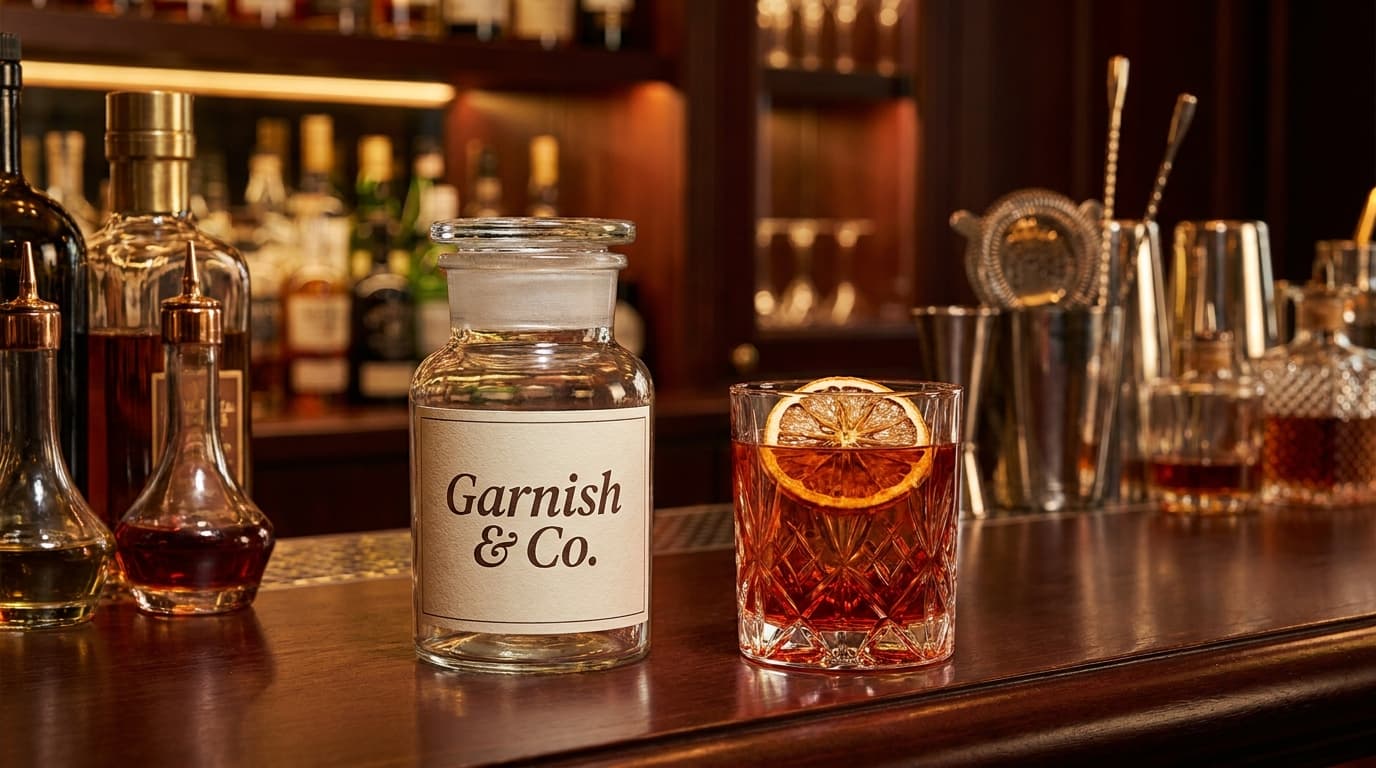
500g and 1kg pouches for NZ bars, cafes, restaurants, and gift retailers. One kilo of our dried wheels replaces about forty fresh lemons. The maths beats fresh, and a Negroni looks better at hour two.
A short note when something good comes out of the kitchen.
New batches, new recipes, the occasional small thing worth knowing about. About one email a month. Never more.
Klaviyo wiring lands with the store go-live